
Dental Implants vs. Natural Teeth: Which is Stronger?
Losing a tooth changes more than your smile — it changes how you eat, how you talk, and honestly, how confident you feel walking into a room. So it’s no surprise that one of the first questions patients ask us at Carving Smiles Dental Clinic & Implant Centre in Chembur is a simple one: is a dental implant actually as strong as a real tooth?
It’s a fair question, and the answer isn’t as straightforward as “yes” or “no.” When you put dental implants vs natural teeth side by side, each one wins in different ways. Let’s break down what’s actually going on beneath the surface, so you can figure out what makes sense for you.
What Makes Natural Teeth So Strong
Your natural teeth are, honestly, an impressive piece of biological engineering. The enamel coating them is the hardest substance your body produces — harder than bone. Underneath sits dentin, and below that, a living root anchored into your jawbone and wired into your nerves.
That last part matters more than people realize. Because your teeth are alive, they respond to pressure and temperature in real time. Bite into something too hard, and you feel it instantly — that’s your tooth doing its job, warning you before real damage happens.
The catch is that this same living tissue is also what makes teeth vulnerable. Cavities, gum disease, an unlucky fall — any of these can weaken even the toughest enamel over the years. Strong as they are, natural teeth were never designed to be indestructible.
So How Strong Are Dental Implants, Really?
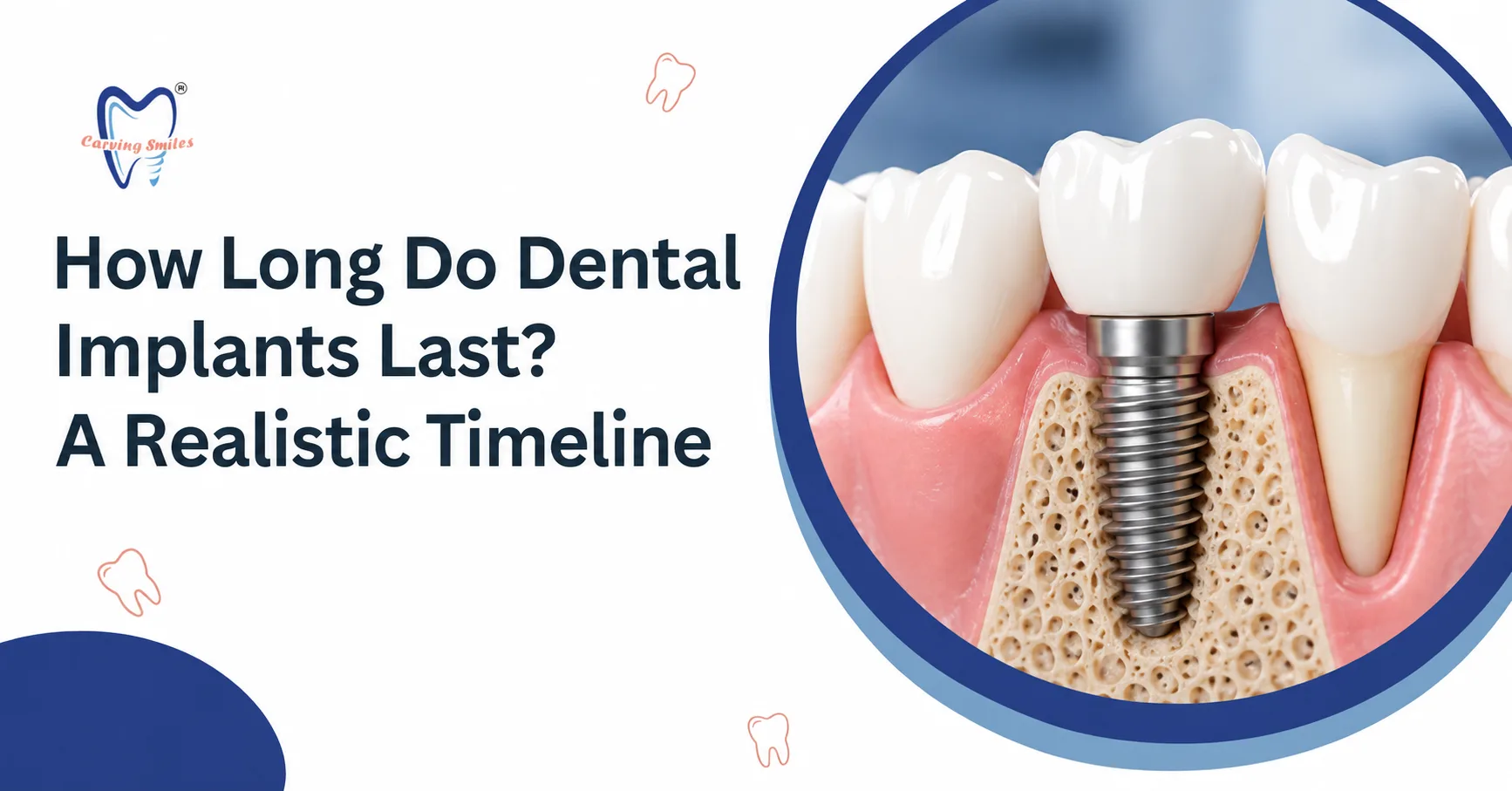
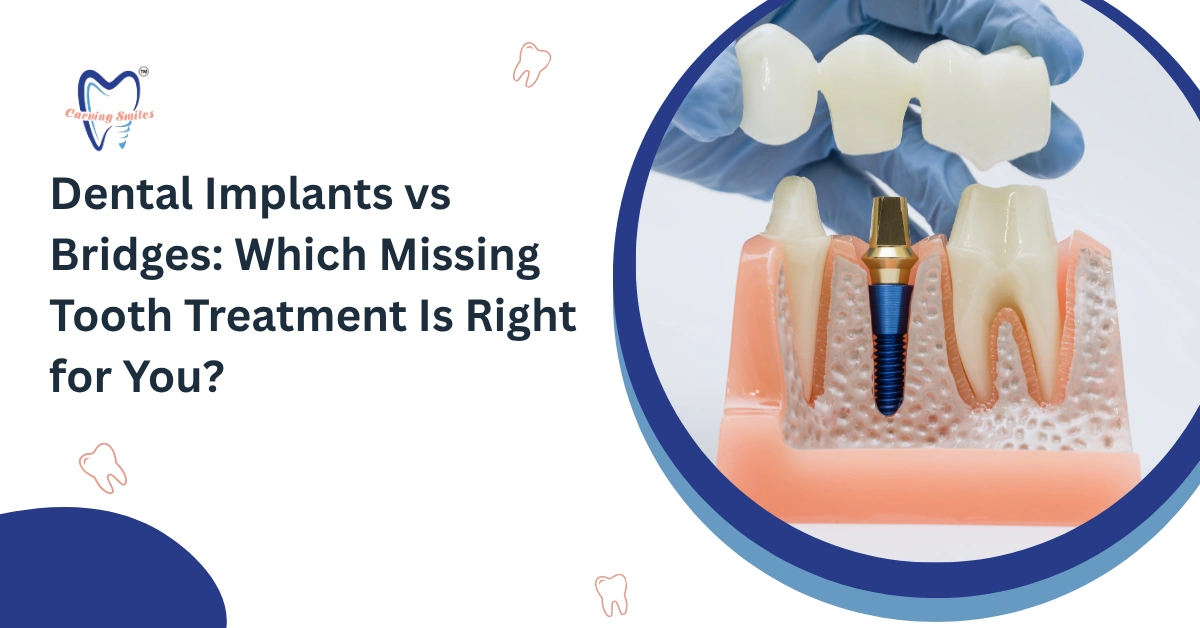
A dental implant works completely differently. Instead of a living root, you’ve got a titanium post that’s surgically placed into the jawbone. Over the next few months — usually somewhere between three and six months — your bone actually grows around and fuses to that post. Dentists call this osseointegration, and it’s the reason implants end up feeling so solidly anchored. Once that’s done, a custom-made crown goes on top, and you’ve essentially got a new tooth.
Titanium happens to be a remarkably tough material — resistant to corrosion, able to handle serious bite force, and it doesn’t degrade the way enamel can. It also can’t get a cavity, simply because there’s no organic tissue left to decay. Cared for properly, an implant can realistically last decades, and clinical data generally puts success rates north of 95% when they’re placed correctly and maintained well.
If you’re weighing dental implant treatment in Chembur, it’s worth knowing implants are built to handle everyday biting forces that come close to what a natural tooth can manage.
How Long Do Dental Implants Actually Last?
This comes up in almost every consultation, and for good reason.
The titanium post itself, once fused to the bone, can genuinely last a lifetime if you keep up with brushing, flossing, and regular checkups. The crown sitting on top usually has a shorter run — somewhere around 10 to 15 years before normal wear catches up with it and it needs replacing.
A healthy natural tooth, for comparison, can also last a lifetime with the right care. The difference is that it’s never fully out of the woods — decay, gum disease, or an unlucky knock can threaten it at any point, whereas an implant simply can’t decay the way a real tooth can.
Does an Implant Feel Like a Real Tooth?
This is probably the second most common worry we hear. Will it feel fake? Will people notice?
In practice, most patients say a well-placed implant feels remarkably close to a natural tooth once it’s fully healed. You bite, chew, and talk without thinking about it.
There is one genuine difference worth mentioning: since implants aren’t wired into your nerves the same way real teeth are, they don’t register pressure or temperature the same way. Most people barely notice this day to day, but it’s the kind of thing you deserve to know before you decide.
Natural Teeth vs Implants: A Quick Comparison
| Factor | Natural Teeth | Dental Implants |
| Strength | Strong enamel, but softer than titanium | Extremely rigid, very durable |
| Flexibility | Slight natural give under pressure | Fixed and rigid, fused to bone |
| Decay risk | Can develop cavities | Cannot decay |
| Sensation | Full nerve feedback | Minimal sensation |
| Lifespan | Lifetime, with good care | Often a lifetime for the post; 10–15 years for the crown |
| Maintenance | Brushing, flossing, checkups | Brushing, flossing, checkups |
| Main risk | Decay, gum disease, trauma | Gum inflammation if neglected (peri-implantitis) |
So Which One’s Right for You?
Here’s the honest answer: it’s rarely about which one is objectively stronger. It’s about which one makes sense for the tooth you’re dealing with.
Most dentists will tell you the same thing — if a natural tooth can realistically be saved, it usually should be. There’s real value in keeping the sensation and biological function that comes with a live tooth.
But when a tooth is too damaged to save, or already gone, a dental implant in Chembur tends to be the more reliable long-term fix — stable, natural-looking, and built to last.
Conclusion
Natural teeth and dental implants each bring something different to the table. Natural teeth are biologically designed to last, but they stay exposed to decay for life. Implants are mechanically strong and remarkably durable, but they depend on healthy bone and gums to stay that way.
Which one’s right for you really comes down to the state of your oral health and what you’re hoping for long-term.
If you’re thinking about a dental implant in Chembur, the easiest next step is a consultation — book one with Carving Smiles Dental Clinic & Implant Centre today. We also see patients from Kurla and the surrounding areas regularly, so don’t hesitate to reach out even if you’re a little further out.
A Few Questions Patients Often Ask
Q.1. Are dental implants stronger than natural teeth?
Titanium is extremely rigid and handles bite force well, but natural teeth have a bit of natural flex that implants don’t. It’s less about one being “stronger” overall and more about different kinds of strength.
Q.2. Do implants hurt more than natural teeth?
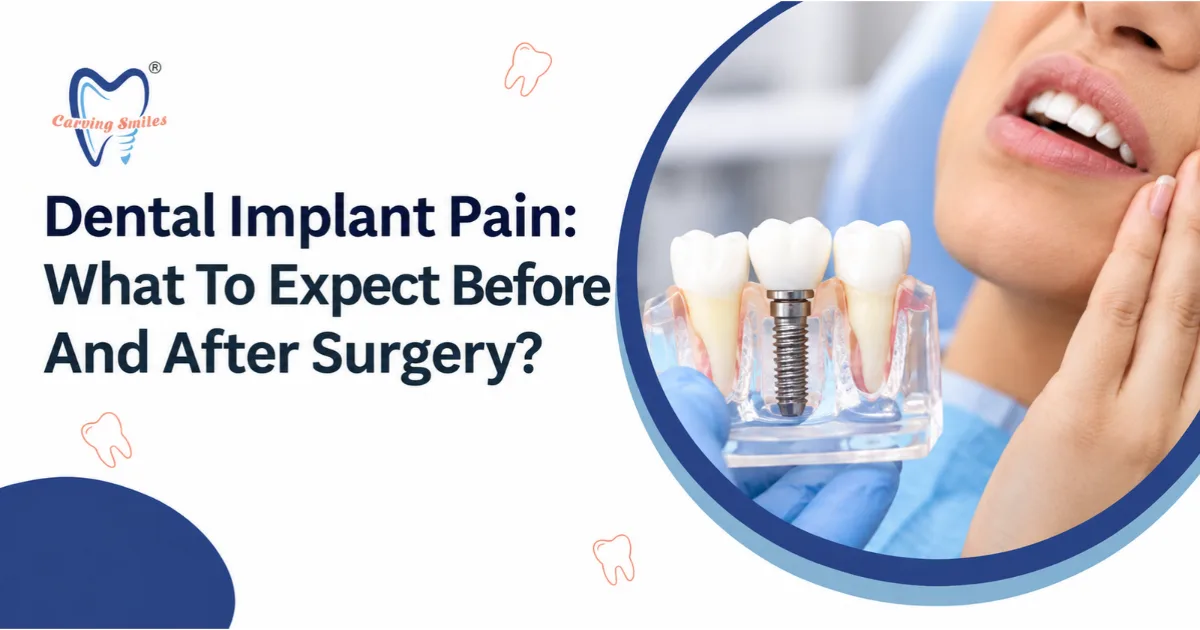
The placement itself is done under local anaesthesia, so most patients describe the recovery as similar to getting a tooth pulled — some soreness for a few days, nothing dramatic. Once healed, implants generally don’t cause any pain.
Q.3. Is an implant more expensive than saving a natural tooth?
Usually, yes, upfront — saving a tooth through a root canal or filling tends to cost less initially. But if the tooth genuinely can’t be saved, an implant often works out more cost-effective over time than repeated repairs or a removable denture.
Q.4. Can a dental implant fail?
It happens, though not often. When it does, it’s usually tied to low bone density, poor oral hygiene, or gum inflammation around the implant. Keeping up with regular dental visits cuts that risk considerably.
Q.5. Do implants require any special upkeep?
Not really — the same brushing, flossing, and routine checkups that protect your natural teeth will keep an implant healthy too