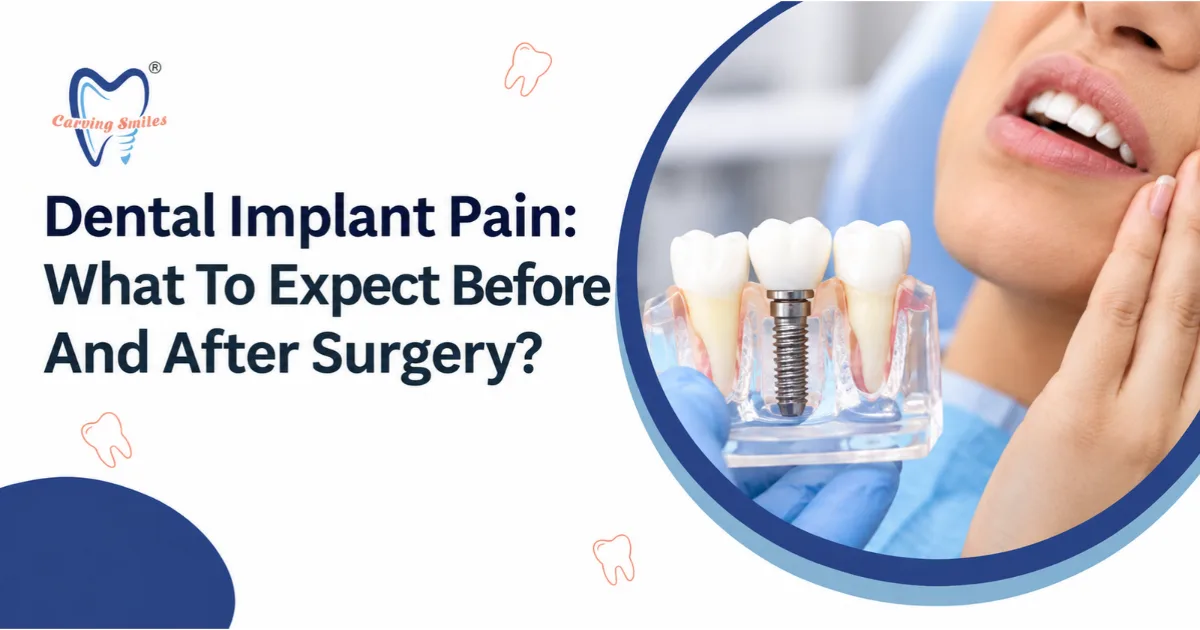
Dental Implant Pain: What To Expect Before And After Surgery?
Thinking about dental implants but worried about the pain? You are definitely not alone! The idea of having a small metal implant placed in your jaw can sound intimidating, especially if you are unsure what recovery feels like. The reassuring part is that the procedure is usually performed under local anaesthesia, so you should not feel sharp pain during surgery. Want to know what happens before, during, and after treatment? Read the full blog post to be better prepared and more confident about restoring your smile.
Before Surgery: Understanding The Discomfort
Before getting dental implants, your dentist will examine your teeth, gums, and jawbone to determine whether you are suitable for treatment. X-rays or scans may be required to plan the procedure. If you have an existing infection or damaged tooth, you might already experience some discomfort. Discuss your concerns, medical history, and medications with your dentist beforehand. Knowing what to expect can ease anxiety and help your treatment plan address your individual needs.
During Surgery: Will You Feel Pain?
One of the biggest concerns about dental implant surgery is whether it hurts. Local anaesthesia numbs the treatment area, helping prevent pain during the procedure. You may still notice pressure, movement, or vibrations, but these sensations are different from sharp pain. If you feel uncomfortable, let your dentist know immediately. Patients exploring Dental Implants in Chembur should discuss anaesthesia options and the expected procedure with their dental professional before making a decision.
The First 24–72 Hours: What Recovery Feels Like
Once the anaesthesia wears off, mild to moderate soreness, swelling, and tenderness around the implant site are common. Some bruising or slight bleeding may also occur. Symptoms are often most noticeable during the first two or three days, then gradually improve. Follow your dentist’s instructions for prescribed or recommended pain relief, apply cold compresses if advised, and choose soft foods. Resting and avoiding strenuous activity can also make the initial recovery period more comfortable.
The Healing Period: Give Your Implant Time
Although the surgical site may begin feeling better within days, the implant needs several months to bond with the jawbone through a process called osseointegration. During this period, follow your dentist’s guidance on chewing, oral hygiene, and follow-up appointments. Avoid smoking and do not put unnecessary pressure on the implant. Remember that feeling comfortable does not necessarily mean the implant has fully healed, so attend all scheduled reviews.
When Is Implant Pain A Cause For Concern?
Normal discomfort should gradually improve rather than worsen. Contact your dentist if you experience worsening pain, increasing swelling, persistent bleeding, pus, fever, or an implant that feels loose. Difficulty swallowing or breathing requires emergency medical attention. Avoid self-medicating with antibiotics or changing prescribed medicines without professional advice. Early assessment helps your dentist identify complications and recommend appropriate treatment before the problem becomes more serious.
In Conclusion
Dental implant surgery may sound daunting, but understanding the recovery process can make the experience less stressful. Most patients experience manageable discomfort that improves as healing progresses, although individual experiences vary. If you are considering dental implants in Chembur, discuss pain management, healing time, and aftercare with your dentist before treatment. A personalised plan and proper follow-up can help you approach the procedure with greater confidence and work towards a healthier smile.
Get Personalised Advice for Dental Implants in Chembur. Schedule Your Visit to Carving Smiles Dental Clinic!