Gum Disease and Tooth Loss: How Early Treatment Can Protect Your Smile
Gums are the basis of a healthy smile, but gum disease develops without painful symptoms in the initial phase. Minor bleeding during brushing and swelling of the gums may seem to be insignificant, but the infection causes damage to the gums and bone that support your teeth. In the end, it may result in loose teeth and tooth loss.
Luckily, if the gum disease is identified at an early stage, then further damage could be prevented.
Be Able to Identify the Early Symptoms
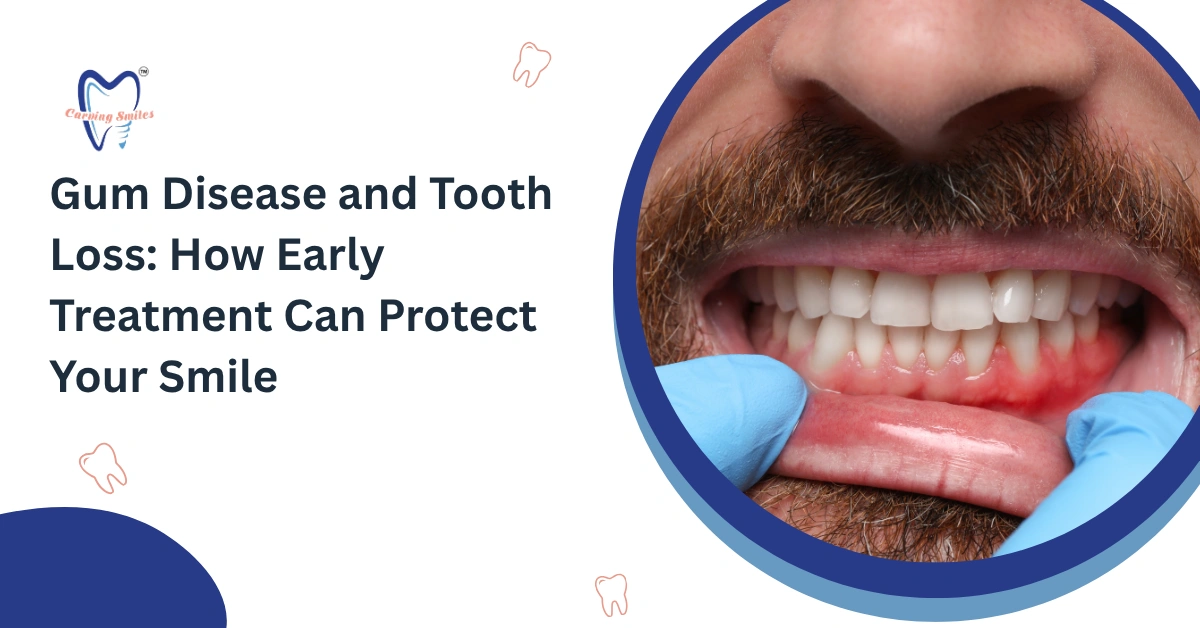
The process of gum disease starts with the accumulation of plaque around the gum line. Bacteria in the plaque cause irritation, inflammation, and bleeding of the gums. At the first stage of the disease, called gingivitis, it can be easily treated.
The common signs include bleeding when brushing or flossing, swollen and tender gums, constant bad breath, receding gums, sensitivity of the teeth near the gum line, difficulty chewing, loose teeth, gaps between teeth, etc. Seeking Gum Treatment in Chembur can prevent infection from progressing.
Find Out What Triggers Gum Disease
Inadequate oral hygiene is the main reason behind the development of gum disease because plaque and tartar accumulate on the teeth due to lack of cleaning. However, there are other factors that may increase the risk of infection.
Have you ever thought about why people have a higher risk of gum disease? Here is the answer. Such factors as smoking, diabetes, hormone fluctuations, stressful life events, unhealthy eating habits, specific medications, genetic predisposition, and infrequent visits to the dentist in Chembur may cause it. Also, crooked or misaligned teeth, as well as ill-fitting dental restorations, may serve as a breeding ground for bacteria that cannot be cleaned effectively.
Understand How Gum Disease Results in Tooth Loss
Healthy gums and bones support your teeth. With the development of gum disease, bacteria move under the gum line, creating pockets where it is impossible to clean the teeth with regular brushing.
Step-by-step, the disease destroys the tissues and bone structures supporting your teeth. Gums separate from the teeth, the bone structure becomes smaller, and the teeth start to get loose. In consequence, gum disease can result in tooth loss. Absent teeth might influence the process of chewing, affect pronunciation, cause malocclusion, and decrease self-confidence.
Do Not Delay Treatment to Prevent Further Complications
Ignoring the problem will make an easy-to-treat condition difficult to handle. Early treatment includes professional cleaning and good oral hygiene that may help to stop the infection.
If the disease has reached an advanced stage, then it requires treatments such as scaling and root planing, antibacterial treatment, laser treatment, periodontal surgery, etc. Also, it may complicate future dental procedures like dental implants or bridges since healthy gums and bone structures are necessary for their success. Timely visiting an experienced dentist in Chembur can help you to save natural teeth and avoid complicated procedures.
Create Routines That Will Help You to Maintain Healthy Gums
Effective treatment needs to be complemented with good daily habits. Brush your teeth two times a day with the help of a soft-bristled toothbrush, use dental floss or special brushes to clean between the teeth, and rinse your mouth with mouthwash according to the recommendations of your dentist.
Besides, do not use any tobacco products, consume healthy food, drink plenty of water, and visit the dentist regularly. Such simple steps help to reduce bacteria and to lower the probability of gum disease development.
Conclusion
Gum disease is not an obstacle on the way to a healthy smile. Recognising early symptoms and seeking the appropriate treatment can help you to preserve healthy gums and natural teeth. The sooner you act, the easier and more effective the treatment will be.
If you want to receive personalised treatment and professional dental care, visit Carving Smiles today and get one step closer to having healthy gums and strong teeth.