Pediatric Dentistry
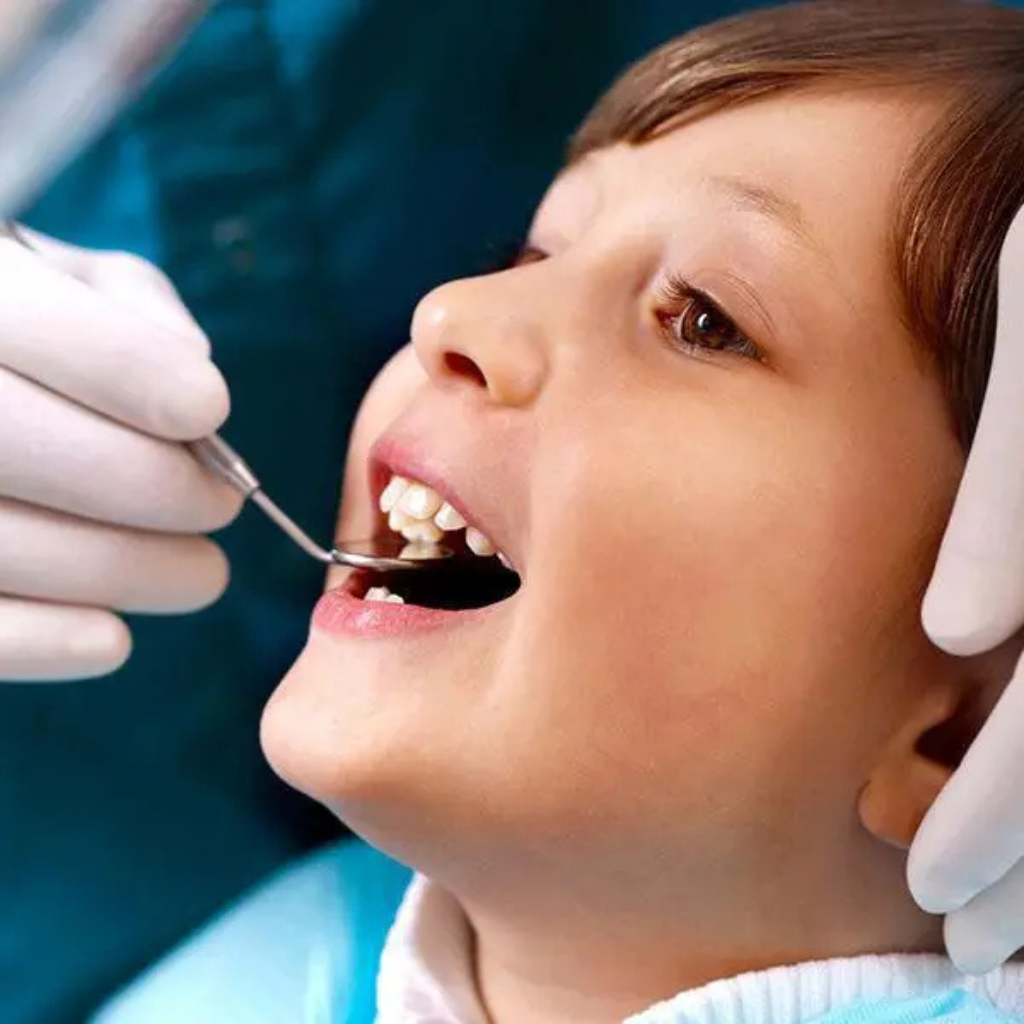
WHY IS KIDS DENTISTRY IMPORTANT ?
Humans start teething when they are as young as 6 months old and develop their set of primary ‘milk’ teeth.
At the age of 6-7 years, humans start losing their milk teeth and the permanent set of teeth start emerging. Because the milk teeth will eventually fall off, some parents tend to ignore taking their child to a dentist.
However, these milk teeth form the basis of developing permanent teeth. If proper care is not taken the problems can emerge which will last a lifetime. In recent years the cases of cavities in children have grown manifold. Therefore, it is always advised to start taking care of your baby’s teeth in the very early stages of their life. This includes setting Oral Hygiene routine and regular visits with our pediatric dentist.
WHAT TREATMENT MODALITIES ARE OFFERED BY THE PEDIATRIC DENTIST
Pediatric Dentist work towards maintaining good oral health in kids. The treatment provided by them includes:
- Examination of infants and teens.
- They are an expert is protecting your kids’ teeth by doing a fluoride treatment which builds up the foundation of good dental growth.
- Habit counseling in which the doctors help to keep the detrimental habits of kids in control
- Correction of crooked and misaligned teeth
- Treatment & prevention of tooth cavities
- Treatment of dental injuries
TREATMENT OPTIONS FOR KIDS
Root Canal Treatment in Children
Many parents believe that root canal treatment is only for adults, but children can require it too. If a primary (baby) tooth has been injured or if decay has advanced deep into the root, a root canal may be necessary to save the tooth.
Root canal treatment removes infection from the pulp — the living tissue inside the tooth’s roots containing nerves and blood vessels. Tooth pain in children is often a sign that decay has reached the pulp.
The procedure involves carefully cleaning the root canals using specialized instruments and then filling them with a medicated material to maintain the tooth until it naturally falls out and makes way for permanent teeth. This procedure helps preserve the child’s ability to chew, speak, and maintain proper spacing for permanent teeth.
Common Pediatric Dental Appliances
Twin Block: Used to correct bite and jaw alignment issues, especially in growing children.
Habit-Breaking Appliances: Designed to help children stop harmful oral habits such as thumb sucking or tongue thrusting.
Space Maintainers: Preserve the space left by prematurely lost teeth, preventing shifting and ensuring proper alignment for permanent teeth.
Head Gear: Helps guide the growth of the jaw and correct bite issues in children with misaligned teeth.
PREVENTION TREATMENTS FOR KIDS
Fluoride Application
Tooth decay is one of the most common reasons parents bring their children to the dentist, often due to the lack of proper brushing skills in young kids. Regular fluoride application is an effective way to prevent cavities. Fluoride strengthens the tooth structure, helps fight plaque and bacteria, and supports healthy enamel and bone development. During the treatment, a fluoride gel is applied using a small tray, allowing fluoride ions to integrate into the teeth, making them more resistant to acid attacks. This preventive treatment is beneficial for both primary (milk) teeth and permanent teeth.
Dental Sealants
Back teeth, like molars and premolars, have grooves and depressions called pits and fissures, which easily trap food particles and bacteria. These areas are highly susceptible to decay. Dental sealants act as a protective barrier by coating the chewing surfaces of permanent teeth, preventing bacteria and food from accumulating. Sealants are a simple and effective preventive measure to safeguard your child’s teeth from cavities.
Oral Hygiene Habits
In addition to professional treatments, cultivating good oral hygiene habits early is essential. Encourage your children to brush their teeth at least twice daily. Brushing before bedtime is particularly important because food particles left in the mouth overnight can feed bacteria and lead to decay. Teaching these habits early is an investment in lifelong dental health, ensuring strong, healthy teeth and a confident smile.
FREQUENTLY ASKED QUESTIONS
Q.1. What Is The Minimum Age For Visiting A Kid’s Dentist?
You should take your child to the pediatric dentist as soon as the first tooth erupts in their mouth, or right around the time your child turns one. Book an appointment with our expert at Complete Dental Solutions
Q.2. How Long Should A Child Visit A Pediatric Dentist?
It is mandatory for a child to see a pediatric dentist till the age of 14, because by this time, all of their permanent teeth have grown out. Beyond this, it is the choice of the child and his/her parents. However, it is recommended that a child should visit a pediatric dentist till the age of 16.
Q.3. When Should A Child Start Brushing?
For children, brushing should start with the eruption of the first tooth. However, our pedodontist advices to make sure that the amount of toothpaste should be very small, almost equivalent to a grain of rice.
Q.4. Should Mothers Clean The Mouth Of Babies If There Are No Teeth?
It is extremely important to maintain oral hygiene and keep the mouth clean & clear of germs, irrespective of the age. Mothers can clean the mouth, both upper and lower jaw, of their children with the help of a soft cloth or cotton ball.
Q.5. Is It Normal For Babies To Have A White Tongue?
Most babies have a white coating on their tongue in the initial few weeks, which is completely normal. There is nothing wrong with their oral hygiene.