
Gum Surgeries
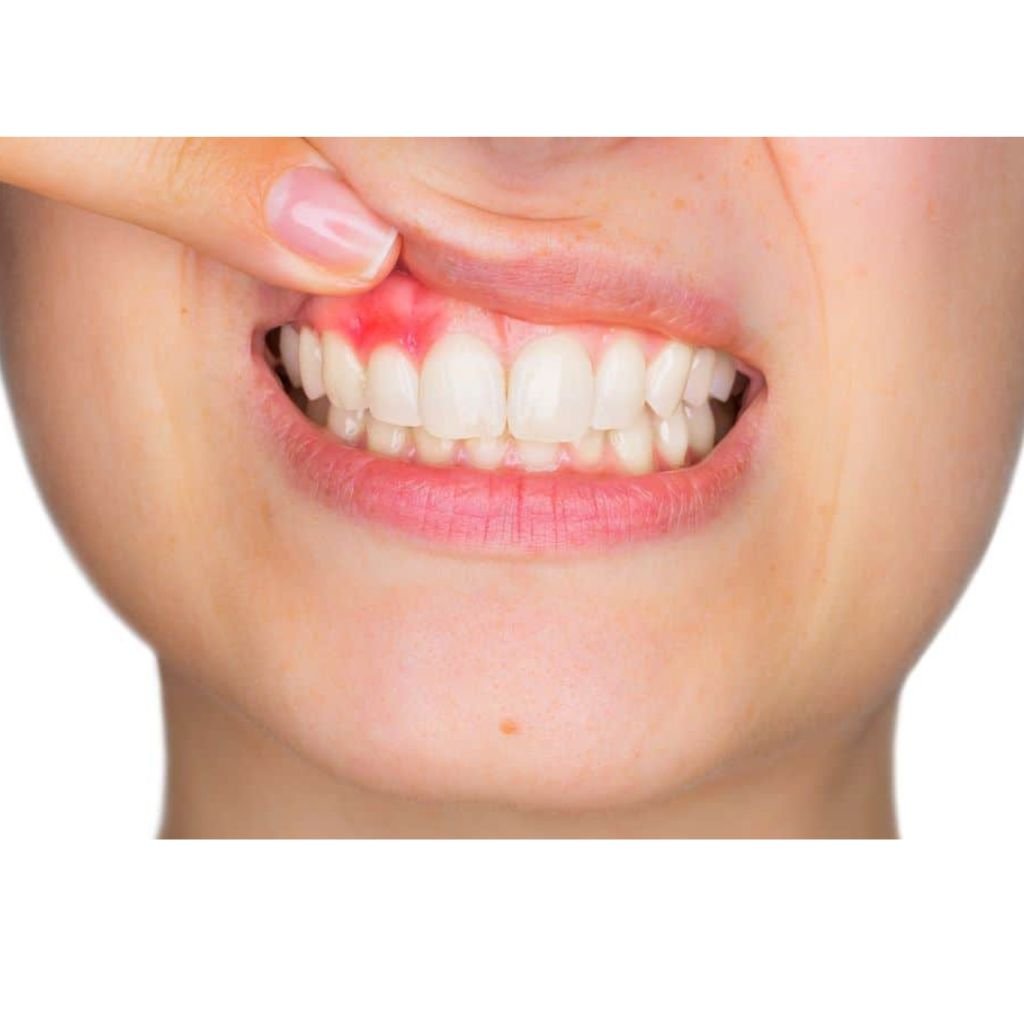
WHAT ARE GUM DISEASES ?
Dr. Pankti Gangar Bhatia, a specialized Gum Specialist (Periodontist) and Implantologist, leads our advanced gum care and periodontal treatments at Carving Smiles Multispeciality Dental Clinic & Implant Centre.
Gum disease, also known as Periodontal Disease, is an inflammation of the gum line that can progress to affect the bone supporting your teeth. It begins with bacterial growth in the mouth, where dental plaque — a microbial biofilm that forms on teeth and gums — triggers localized inflammation known as gingivitis.
If left untreated, this condition can lead to gum recession, bone loss, tooth mobility, and even tooth loss. Nearly 70% of people experience some form of gum disease during their lifetime, yet most remain unaware of it or ignore its early signs such as bleeding gums, bad breath, and swelling.
At Carving Smiles Multispeciality Dental Clinic & Implant Centre , Dr. Pankti combines expert diagnosis, advanced laser gum treatments, and minimally invasive surgical techniques to restore gum health, prevent disease progression, and help patients maintain strong, healthy smiles for life.
CAUSES OF GUM DISEASE
The primary cause of Gum Disease is poor oral hygiene. If you are not brushing or flossing properly, then the chances of bacteria build-up are high. However, there are other reasons as well such as:
- Smoking or chewing tobacco which makes difficult for gum tissues to repair
- Consuming certain medications (oral contraceptives, steroids, anticonvulsants, calcium channel blockers, and chemotherapy) lessen saliva flow that protects teeth and gums. Some medicines even cause the abnormal growth of gum tissue.
- Crooked or misaligned teeth
- Hormonal changes such as puberty, menstruation, menopause, pregnancy etc. can make your gums sensitive and as a result prone to gum diseases.
- Certain illness such as cancer and HIV make your immune system weak are at higher risk of developing gum disease. Also, people who are diabetic are more prone to get Gum Disease.
- Genetic susceptibility such as family history can contribute to gingivitis
SYMPTOMS OF GUM DISEASES
- Bleeding of gums when you brush or floss your teeth
- Pulling of gums away from the teeth
- Teeth loosening
- Change in the way your teeth fit together when you bite (malocclusion)
- Pus between teeth and gums
- Pain while chewing
- Teeth sensitivity
- Tender, red or swollen gums
- Ill-fitting partial dentures
- Foul breath that doesn’t go away even after brushing
- Deep space formation between gums and teeth
STAGES OR TYPES OF GUM DISEASE
The stages of Gum Diseases are as follows:
GINGIVITIS
This is the first stage of gum disease, caused due to the plaque(yellow film) build-up on gums. If the plaque is not gone after brushing and flossing, then it can cause irritation. In this stage, you will notice your gums bleeding while brushing and flossing. Because bone is not affected in this stage, the chances of recovery are quite high.
PERIODONTITIS
Gingivitis if not treated on time, can lead to Periodontitis. This stage starts affecting your bone. Spaces are formed between bone and gum line as a result, bacteria will get a space food lodgement. If you visit your dentist on time then Periodontitis can be prevented. Periodontitis is an advanced gum disease.
ADVANCED PERIODONTITIS
This is the final stage of your gum disease where your bone is destroyed making your teeth loosen further. This can only be saved with surgery. And if the case is very advanced then even surgery cannot save your tooth, as a result, you will lose that tooth. One thing to be noted in gum diseases is that you will not get major symptoms unless the disease progresses to advance stage so you might feel the need to push forward/ignore the health which is where will be your biggest mistake.
TREATMENT OPTION OF GUM DISEASE
The choice of treatment for gum disease depends on the stage of the condition, your medical history, and overall health. Treatments range from non-surgical therapies to surgical procedures, tailored to restore your gum health effectively.
Non-Surgical Options
Scaling
Scaling is performed during the early stages of gum disease. Our gum specialist removes plaque and tartar from above and below the gum line. This preventive procedure helps stop the progression of gum disease and maintains healthy gums.
Deep Scaling & Root Planing
Deep scaling and root planing is an advanced cleaning procedure performed under local anesthesia for your comfort. Plaque and tartar are removed from above and below the gum line, and the tooth surfaces are smoothed to eliminate bacteria hiding in rough areas. This process promotes healing and prevents further infection.
Surgical Treatments
Flap Surgery
Flap surgery involves making an incision in the gums to remove tartar from deep pockets. Sometimes, the bone surface is smoothed to eliminate areas where bacteria can hide. This procedure helps reduce the gap between the gums and teeth and supports healing.
Bone Graft
Bone grafting is used to regenerate bone lost due to gum disease. Synthetic bone, donated bone, or your own bone is used to replace the damaged areas, restoring the structural support for your teeth.
Soft Tissue Graft
This procedure addresses gum recession. Tissue is taken from the roof of the mouth and stitched to the affected area, protecting exposed tooth roots and improving gum aesthetics.
Guided Tissue Regeneration
Performed along with flap surgery when the supporting bone is destroyed, this technique places a small mesh-like fabric between the gum and bone to guide the growth of new bone and tissue, promoting proper healing.
PREVENTION OF GUM DISEASE
- Brush your teeth twice a day (with a fluoride toothpaste).
- Floss regularly to remove plaque from between teeth.
- Visit your dentist after every 6 months for a routine check-up and professional cleaning.
- Quit smoking
FREQUENTLY ASKED QUESTIONS
Q.1. Can Gum Disease Be Treated On Its Own?
No, gum diseases cannot be treated on its own. Gum diseases are caused by the development of tartar on the teeth leading to gum infection. This requires dental cleaning and good oral care routine. Get professional cleaning done every 6 monthly to avoid being a victim of gum disease.
Q.2. How do I know if I have gum disease?
Common signs include bleeding gums while brushing or flossing, swollen or tender gums, bad breath, receding gums, and loose teeth. A dental check-up is necessary for an accurate diagnosis.
Q.3. Is gum disease treatment painful?
Most treatments are comfortable and often performed under local anesthesia. Non-surgical treatments like scaling may cause mild sensitivity, while surgical procedures may require recovery time with minimal discomfort.
Q.4. Can gum disease be reversed?
Early-stage gum disease can be managed and even reversed with proper cleaning, oral hygiene, and preventive care. Advanced stages require treatments like deep cleaning, surgery, or grafting to restore gum and bone health
Q.5. How can I prevent gum disease in the future?
Maintaining good oral hygiene by brushing twice a day, flossing daily, visiting the dentist regularly, avoiding tobacco, and managing conditions like diabetes can help prevent gum disease from recurring.