
Dentures Treatment In Chembur
WHAT ARE DENTURES ?
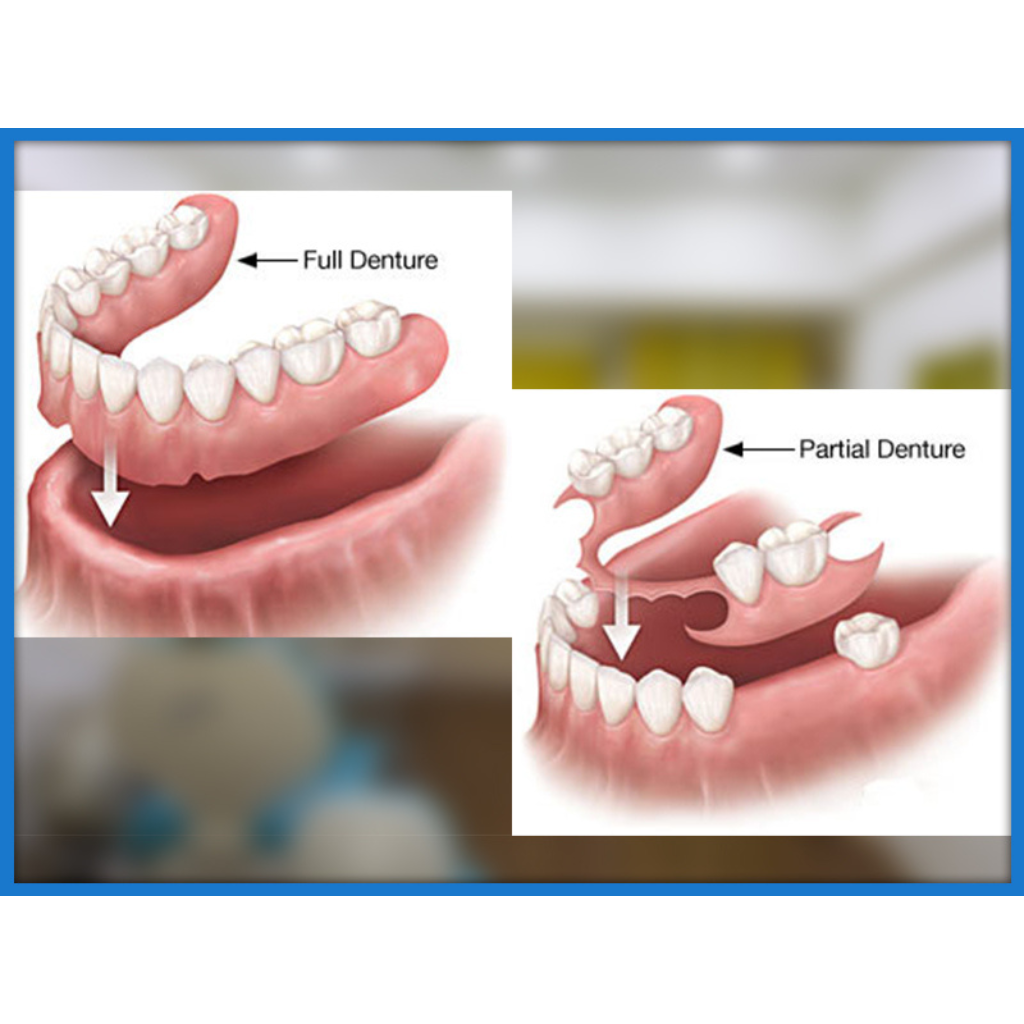
Dentures are removable dental prostheses designed to replace missing teeth and surrounding tissues, helping restore normal chewing, speech, and facial appearance. They act as artificial teeth, allowing you to eat and smile with confidence.
Dentures come in two main types: Complete and Partial.
Complete Dentures
Complete dentures are recommended when all natural teeth are missing. They are custom-made to fit comfortably and securely on the gums. These dentures should be removed at night for cleaning and to allow the gums to rest.
Partial Dentures
Partial dentures are used when some natural teeth remain. They consist of replacement teeth attached to a gum-colored base and are supported by a metal or flexible framework that keeps them in place.
Partial dentures not only restore missing teeth but also prevent neighboring teeth from shifting, helping maintain proper alignment and bite balance.
TYPES OF DENTURES
Dentures are primarily made from porcelain or acrylic resin, each offering unique benefits depending on your dental needs.
Porcelain Dentures
Porcelain dentures provide a natural appearance that closely matches the color and translucency of real teeth. They are durable and resistant to wear; however, they can chip or break easily if dropped and may cause wear on natural teeth if used as partial dentures. Hence, porcelain is generally recommended for complete dentures rather than partial ones.
Acrylic Resin Dentures
Acrylic resin dentures are lightweight, comfortable, and easy to adjust. They offer a better fit, making jaw movement and speech smoother. Because of their flexibility and comfort, acrylic dentures are among the most popular choices for both complete and partial replacements.
WHAT IS THE PROCEDURE INVOLVED IN PLACING DENTURES ?
Step 1 – Taking Impressions
We begin by taking precise impressions of your jaws to study their alignment and spacing. This helps in designing dentures that fit comfortably and function naturally.
Step 2 – Creating a Wax Model
A wax model of your dentures is then made to check the fit, bite, and appearance. This stage allows adjustments before the final fabrication.
Step 3 – Fabrication of Final Denture
Using the wax model as a guide, the final dentures are crafted with high-quality materials to ensure durability, comfort, and a natural look.
Step 4 – Final Fitting and Adjustments
The finished dentures are tried on to ensure proper fit and comfort. Minor adjustments are made, if necessary, to achieve the perfect balance and function.
To speak with Dr. Pankti Gangar Bhatia and his team regarding the Best Dental Clinic in Chembur, give us a call or drop by our clinic.
HOW TO TAKE CARE OF THE DENTURES ?
Denture Care Tips
Since dentures are artificial and removable, they require gentle handling and proper maintenance to ensure comfort, hygiene, and long-lasting use.
Follow these essential tips to keep your dentures in great condition:
1. Keep Your Dentures Clean
- Brush your dentures at least once a day using the cleaning kit or denture brush provided.
- Even though dentures are artificial, plaque and bacteria can still build up, leading to gum irritation or infections.
- Remove your dentures after every meal and rinse them thoroughly with warm water to eliminate food particles.
2. Protect Them Overnight
- Before sleeping, soak your dentures in clean water or a recommended denture-cleaning solution.
- Avoid using chlorine-based cleaners, as they can weaken the material.
- In the morning, rinse them with fresh water before wearing to remove any residual cleaning agents.
3. Regular Checkups and Monitoring
- Keep an eye on your dentures and gums.
- If your dentures feel loose, cause discomfort, or change your bite, visit your dentist for an adjustment.
- Ill-fitting dentures can lead to sores, irritation, and infection, so timely correction is essential.
DO’S AND DONT'S WHILE DENTURES ON
Do’s
Soak your dentures overnight in water or the recommended cleaning solution.
Rinse your dentures thoroughly with clean water before wearing them each morning.
Clean your dentures daily using the provided cleaning kit or a soft brush.
Check your mouth, gums, and tongue regularly for any signs of irritation, redness, or swelling, and report them to your dentist.
Don’ts
Avoid biting hard foods with the front portion of your dentures to prevent cracks or breakage.
Do not brush aggressively — use gentle, circular motions to clean.
Never use toothpicks or sharp objects on dentures as they can cause scratches or damage.
Handle dentures carefully — avoid dropping them, as they can easily fracture.
Do not use glue or adhesives from hardware stores if dentures loosen; instead, visit your dentist immediately for a professional adjustment.
MYTHS ABOUT DENTURES
1. “It’s difficult to eat with dentures.”
While there may be a short adjustment period, most patients quickly adapt to eating with dentures. You may need to start with softer foods and practice chewing evenly, but with time and patience, you’ll be able to eat comfortably and confidently.
2. “Dentures are a lifetime solution.”
Dentures are durable but not permanent. Without proper care, they can wear down, loosen, or lose their natural appearance over time. Regular maintenance and periodic adjustments help extend their lifespan and keep them fitting perfectly.
3. “People can tell if someone is wearing dentures.”
Modern dentures are made from advanced, natural-looking materials, designed to blend seamlessly with your gums and remaining teeth. If your dentures are noticeable or feel unnatural, consult us — we offer custom options for a more aesthetic and comfortable fit.
4. “Dentures don’t need care.”
Even though dentures are artificial, they function like real teeth and require daily cleaning and care. Proper hygiene prevents plaque buildup, bad odor, and gum irritation, keeping both your mouth and dentures healthy.
5. “I can repair my dentures myself.”
Dentures should never be adjusted or fixed at home. Using glue or tools can damage them permanently or harm your mouth. If your dentures loosen or crack, visit your dentist for a professional repair.
6. “No further dental visits are needed after getting dentures.”
Regular dental checkups remain essential. Your oral health includes gums, tongue, and surrounding tissues, all of which require monitoring. Routine visits ensure your dentures stay comfortable and your mouth remains healthy.
BOOK APPOINTMENT
FREQUENTLY ASKED QUESTIONS
Q.1. How long does it take to get used to dentures?
It usually takes a few weeks to adjust to new dentures. During this time, you may need to practice speaking and eating slowly. With consistent use and patience, dentures will soon feel natural and comfortable.
Q.2. How long do dentures last?
With proper care, dentures can last 5 to 7 years. Over time, normal wear or changes in your gums may require relining, adjustments, or replacement to maintain comfort and function.
Q.3. Can I eat normally with dentures?
Yes. Once you adjust, you’ll be able to enjoy most foods. Initially, start with soft foods, chew slowly, and avoid sticky or hard items until you gain full confidence with your dentures.
Q.4. How should I clean and care for my dentures?
Clean your dentures daily using a denture brush and mild cleanser. Soak them overnight in a denture solution or water, and rinse before wearing them again. Regular cleaning helps prevent stains, odor, and gum irritation.
Q.5. Should I still visit the dentist after getting dentures?
Absolutely. Regular dental checkups are essential to monitor gum health, tissue condition, and denture fit. Your dentist will make necessary adjustments to ensure long-term comfort and oral health.