
Root Canal Treatment in Chembur
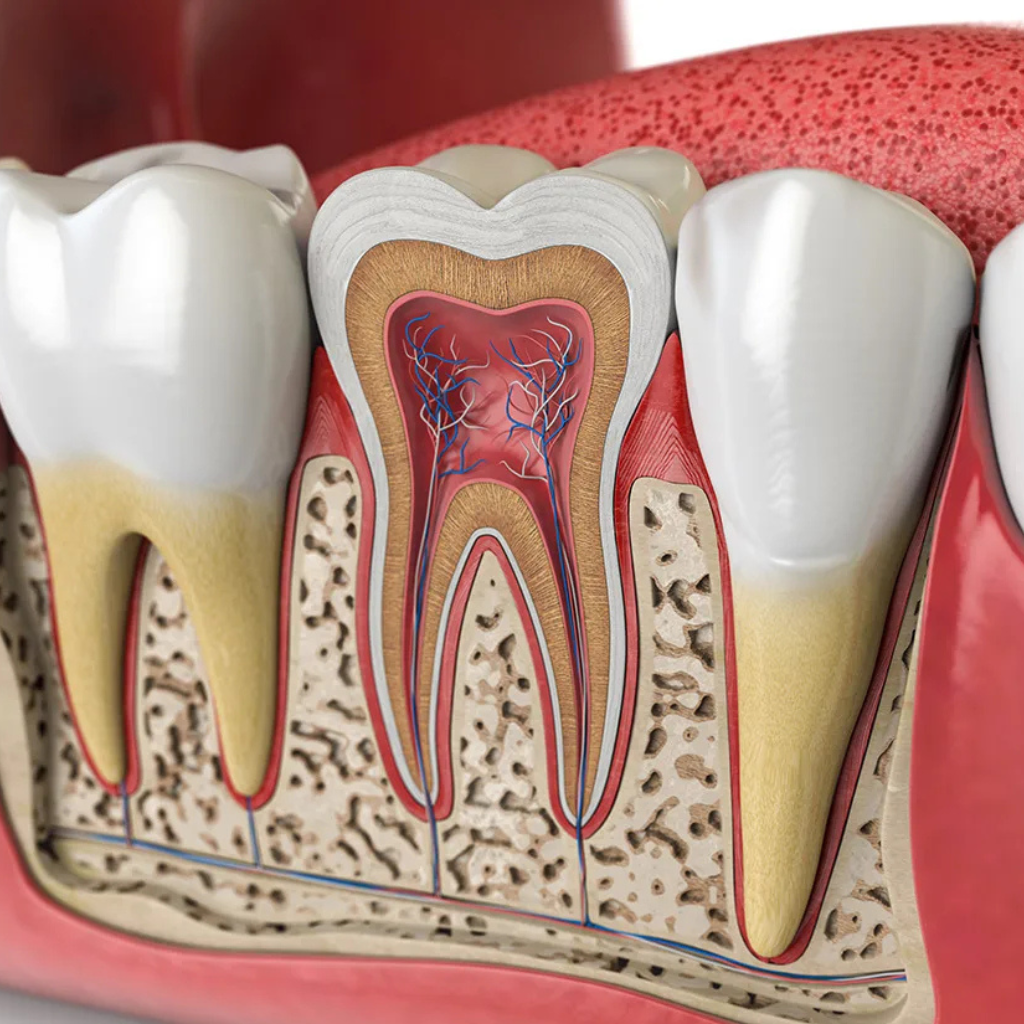
WHAT IS RCT ?
Preserve Your Smile and Protect Oral Health
Root canal treatment (RCT) is a dental procedure designed to save teeth that are severely decayed, infected, or damaged. When decay reaches the pulp — the innermost part of the tooth containing nerves and blood vessels — it can cause severe pain and infection. Root canal therapy removes the infected pulp, cleans the root canals, and seals them to restore the tooth’s function and prevent further infection.
WHY ROOT CANAL TREATMENT IS NEEDED ?
Deep decay reaching the tooth pulp
Tooth trauma or injury
Infection or abscess at the root tip
Persistent tooth pain or sensitivity
Preserving your natural tooth with a root canal prevents the need for extraction and maintains proper chewing function, jaw alignment, and smile aesthetics.
WHAT ARE THE CONSEQUENCES OF NOT GETTING A ROOT CANAL TREATMENT?
If the tooth pain suddenly disappears, it does not mean the problem has healed on its own. In many cases, this indicates that the nerves inside the tooth have died, while the infection continues to worsen.
Unchecked, the bacteria from the infected tooth can spread to the surrounding gum and jaw tissues, potentially forming a pus-filled abscess. In severe cases, the infection may even enter the bloodstream, increasing the risk of serious health issues such as heart disease or stroke.
TREATMENT CARE DURING ROOT CANAL TREATMENT
- Do not put pressure on the tooth unless the treatment it totally completed. Since there is no crown, the tooth is unprotected as a result, putting pressure can fracture the tooth.
- Avoid hard and crunchy food, instead chew soft food until final restoration.
- Be careful while brushing. Do not be too harsh while brushing.
- Make sure you visit for your appointment as per schedule to avoid complications.
BOOK APPOINTMENT
FREQUENTLY ASKED QUESTIONS
Q.1. How do I know if I need a root canal?
Signs include persistent tooth pain, sensitivity to hot or cold, swelling, or a darkening tooth. A dental examination and X-ray confirm if the pulp is infected and root canal treatment is required.
Q.2. Is root canal treatment painful?
With modern anesthesia and techniques, root canal procedures are virtually painless. You may feel mild discomfort after the procedure, which usually subsides quickly.
Q.3. How long does a root canal take?
Treatment duration depends on the complexity of the tooth and infection. Most root canals can be completed in one or two visits.
Q.4. Will the tooth be strong after treatment?
Yes. After a root canal, the tooth is restored with a filling or crown to ensure strength, function, and durability for years to come.
Q.6. Is a crown always necessary after root canal treatment?
In most cases, yes — placing a crown after a root canal is highly recommended.
After a root canal, the tooth becomes more brittle and weaker because its inner nerve and blood supply are removed. A crown helps to:
Protect the treated tooth from fracture or damage
Restore its full strength and function for chewing
Prevent reinfection or leakage
However, in some cases — especially if the root canal is done on a front tooth that’s still structurally strong — your dentist may suggest a filling or veneer instead of a crown.
Your dentist will evaluate the tooth’s condition, position, and function to recommend the best long-term protection for your root canal–treated tooth.