Laser Dentistry in Chembur
WHAT IS LASER DENTISTRY ?
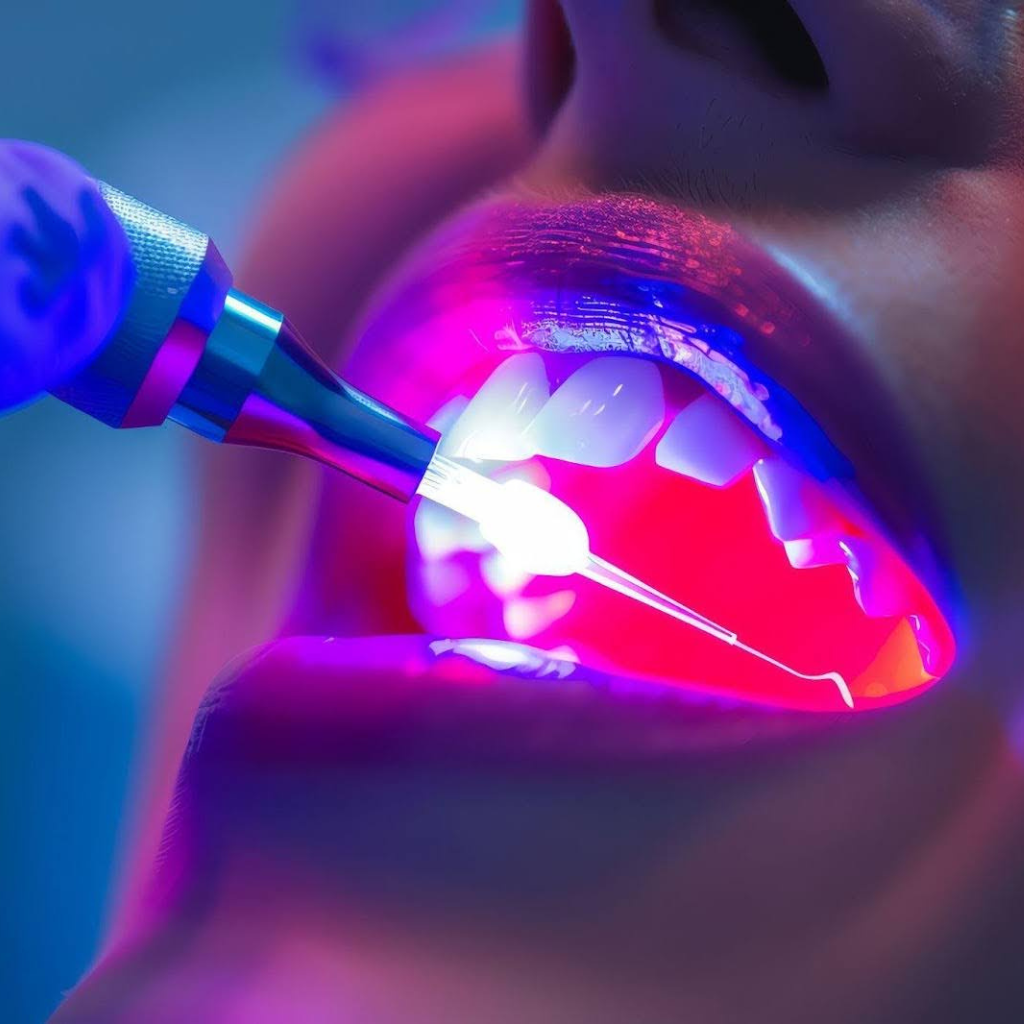
Laser dentistry uses focused beams of light to treat both soft and hard tissues in the mouth. These high-energy light beams can remove or reshape tissue, disinfect infected areas, and stimulate healing in a controlled and precise manner. Dental lasers can be used for soft tissue treatments involving gums and oral tissue, as well as certain hard tissue procedures on teeth. The result is a comfortable, efficient, and minimally invasive dental experience.
At our Dental Clinic in Chembur, dental lasers are used for advanced soft tissue procedures involving gums and oral tissues, as well as selected hard tissue treatments on teeth. The result is a more comfortable, efficient, and minimally invasive dental experience with quicker recovery and reduced discomfort.
HOW LASER DENTISTRY WORKS
During laser treatment, the dentist directs a concentrated light beam at the targeted area. The laser energy can:
Remove diseased or infected tissue
Reshape gums for aesthetic or functional purposes
Remove decay from teeth
Stimulate healing and reduce bacterial infection
Lasers interact only with the specific tissue being treated, preserving healthy surrounding tissue and ensuring precise results.
BENEFITS OF LASER DENTISTRY
Laser dentistry provides several advantages over traditional dental procedures:
Minimally Invasive: Procedures are less traumatic to tissue, resulting in less discomfort.
Reduced Bleeding: The laser seals blood vessels as it cuts, minimizing bleeding.
Lower Risk of Infection: Lasers sterilize the treated area while working.
Faster Healing: Stimulates tissue regeneration, reducing recovery time.
Precision: Targets only the affected tissue without harming adjacent areas.
Less Need for Anesthesia: Many procedures can be performed without extensive anesthesia.
Versatility: Treats gum disease, cavities, soft tissue lesions, teeth whitening, and cosmetic gum procedures.
COMMON LASER TREATMENTS
Laser dentistry can be used for a wide range of dental procedures, including:
Gum Disease Therapy: Lasers remove infected tissue and bacteria from the gums, promoting healing and preventing further bone or tissue loss.
Frenectomy: Correct tongue-tie or lip-tie efficiently with minimal bleeding and discomfort.
Cavity Treatment: Laser removes decay in a precise manner, often reducing the need for drilling.
Gum Contouring: Reshape uneven gums for improved smile aesthetics and function.
Soft Tissue Surgery: Remove lesions, excess tissue, or perform biopsies safely and accurately.
Teeth Whitening: Laser-activated whitening enhances results safely and effectively.
BOOK APPOINTMENT
FREQUENTLY ASKED QUESTIONS
Q.1. Does laser treatment hurt?
Most laser procedures are painless or cause only mild discomfort. Local anesthesia is rarely needed.
Q.2. How long does the treatment take?
Laser treatments are generally faster than conventional methods, and many procedures can be completed in a single visit.
Q.3. Can children receive laser dental treatment?
Yes. Laser treatments are gentle, safe, and ideal for pediatric dental care.
Q.4. Are there any side effects?
Side effects are minimal, usually limited to temporary sensitivity or mild gum irritation, which resolves quickly.
Q.5. How do I know if laser treatment is right for me?
Your dentist will evaluate your oral health and determine if laser therapy is appropriate. It can complement traditional dental treatments for optimal results.