
Dental Fillings in Chembur
WHAT IS DENTAL FILLING ?
Dental Filling or Composite restoration is a treatment modality to restore missing tooth structure which was lost due to decay(Cavity) or traumatic accident. Dental Fillings help to fill the lost structure and prevent it from further progression. A filling is also used to repair broken or chipped tooth and/or the teeth which wear off due to certain habits like teeth grinding, nail biting or just by age.
WHEN DOES ONE NEED DENTAL FILLING?
The most common situations where fillings can be required are as below:
- A hole in your tooth which causes food lodgment
- Black/Brown spots on the tooth
- Food stuck between two teeth
- Chipped or broken tooth
- Sensitivity to hot and cold food and beverage or air
If you are facing any of the above mentioned difficulties, then there is a chance that you might need a filling. The final decision will be made by us after a thorough oral examination at Complete Dental Solutions .
WHAT IS THE PROCEDURE OF DENTAL FILLING?
- The very first step is to see how severely infected the tooth is, as Dental Filling is only suitable for minor fractures and decay.
- if required an X-ray would be taken as a part of examination.
- Depending upon the severity & your pain threshold we may or may not administer local anesthesia to makethe area numb so that you have a comfortable experience.
- Then the decayed area is cleant thoroughly till a healthy surface of tooth is ready for restoration.
- A filling is then applied to the area to fill the cavity as per the shape of tooth.
- Finally, the finished tooth can be polished to achieve a smooth structure that replicates the shape &colour of your teeth.
CONSEQUENCES OF NOT GETTING A DENTAL FILLING DONE
If you have decay & its left untreated because it doesn’t pain then the enamel (outer part of teeth) gets totally destroyed exposing the dentin (the softer part below the enamel).The bacteria in your mouth will come in contact with dentin, causing infection (which is when the pain begins). Once the infection starts, you will feel sensitivity and will then want to get Fillings done. But if you skip this part too and do not get the treatment done on time, then the infection will reach to the nerve(here you will experience sharp pain on eating,drinking water and/or will develop a swelling around the infected tooth which will eventually damage the tooth and then one needs to undergo a Root Canal Treatment. You are also at risk of the infection traveling to the adjacent and opposing tooth making it more severe.
TYPES OF DENTAL FILLINGS
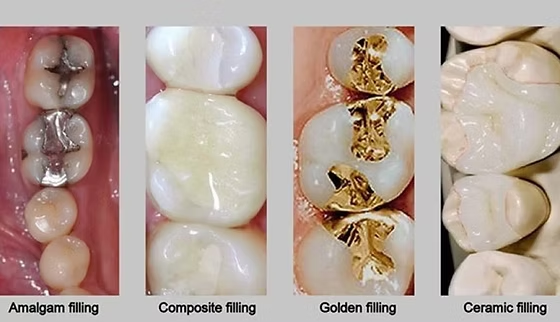
Dental fillings are available in different materials, and the choice depends on the extent of decay, tooth location, and patient sensitivity or allergies. Your dentist will recommend the most suitable type based on your specific dental needs.
Composite Fillings
Composite fillings are tooth-colored restorations that blend seamlessly with your natural teeth. They are ideal for patients who prefer an aesthetic, invisible filling. Suitable for both front and back teeth, composite fillings bond directly to the tooth structure, providing strength and support. Over time, they wear down naturally — similar to your natural enamel.
Porcelain / Ceramic Fillings
Porcelain or ceramic fillings are an excellent choice for patients with larger cavities or high aesthetic concerns. These restorations cover a greater portion of the tooth surface and offer exceptional durability and stain resistance. Porcelain fillings are long-lasting, maintain their natural color, and are often chosen for premium, cosmetic-grade restorations.
POST TREATMENT CARE FOR DENTAL FILLING
- You might feel a little different in the treated area, this will last only for a few days as body takes time to accommodate a new surface.
- Avoid hard or sticky food for a few days.
- Do not use the restored part of tooth for purposes other than eating eg: bottle opening, nail biting, package tearing etc.
- If you feel sensitivity for too long or if your dental fillings come out, visit us immediately
- Maintain a good Oral Hygiene routine by brushing & flossing along with using a mouthwash.
BOOK APPOINTMENT
FREQUENTLY ASKED QUESTIONS
Q.1. When do I need a dental filling?
A dental filling is needed when you have a cavity, tooth decay, or minor fracture. It restores the damaged area, prevents further decay, and brings back the tooth’s normal function and shape.
Q.2. Is getting a dental filling painful?
No. The procedure is performed under local anesthesia, ensuring a completely pain-free experience. You may feel slight sensitivity for a day or two afterward, which quickly subsides.
Q.3. How long do dental fillings last?
The lifespan of a filling depends on the material used and oral habits. Composite fillings usually last 5–7 years, while porcelain or ceramic fillings can last 10 years or more with proper care.
Q.4. Can fillings match the color of my teeth?
Yes. Tooth-colored composite or ceramic fillings blend naturally with your enamel, making them virtually invisible — perfect for both front and back teeth.
Q.5. How should I take care of my dental fillings?
Maintain good oral hygiene by brushing twice a day, flossing daily, and visiting your dentist for regular check-ups. Avoid biting hard foods or objects that can crack or wear down your fillings.